Tag: fiction

  • When Characters Take Control

    When Characters Take Control

    A typewriter is shown with 'Stories matter' typed on it and the text below says 'When characters take control.'

    When Characters Take Control

    What happens when characters take control of your narrative? This is a familiar situation for many writers. It can be frustrating when the characters just walk all over your carefully planned outline. Our plans and early drafts are how we really get to know our characters and that means that things can change during the process. So let’s talk about when characters take over and whether you should let it happen or not.

    Plans Change All The Time

    Not everyone likes to plan their stories out but even ‘pantsers’ have some idea of what’s going on and where the plot will go. For others, having a detailed outline is essential for structuring and writing the narrative. I personally work with a combination of both but I spend a lot of time getting to know my characters, both through detailed backgrounds and profiles and through writing them.

    However, sometimes people get stuck on their outline because they get through two thirds of the story and realise the next plot point makes no sense. Or the character has changed and their next move is now out of character for them, which can be jarring for the reader. Trying to force them to get back on track with the plan makes the writing feel forced, which can contribute to writer’s block.

    It’s okay for things to change as you write. It’s pretty normal, actually. Your plan is simply a guideline for the original idea and if a new idea or direction feels better then you can absolutely follow the new path. I wouldn’t throw out the original plan and any scenes or chapters you decide to remove, though. Keep them in a separate file, just in case you want to refer back to them or use them somewhere else.

    What if the Characters Take Over?

    As you write, you get to know your characters better. No matter how detailed their profile and background might be, you’ll still find yourself learning things about them. As you understand them better, you know how they’re going to respond to events. You know what kind of decisions they will make.

    This means that the characters ultimately take control of the narrative and can push it in unexpected ways, even for the writer. If that’s what is happening, I think it’s okay to let it happen if that makes more sense to you. Being too rigid about your outline can stifle the flow of your writing and block your creativity. So if it feels right, let it happen.

    My Example

    In my current work-in-progress, one of the secondary protagonists has been upgraded to a primary protagonist. Aidan Kynaston joins the other two main characters on their journey. However I felt he was introduced quite late in the story. He also has an important plot point later on, so I realised he needed to play a bigger role in the story.

    The other reason was that the first half of the book focused exclusively on the other two main characters. So introducing a few chapters focused on Aidan before he meets up with the other two made sense. Including his point of view also facilitated adding more world-building and details about the stakes.

    Aidan also decided to tell me an important dark secret which I could then show to the reader to add more of his internal conflict. It makes him a lot more interesting, especially in his interactions with my morally grey assassin Alonso. They’re getting to know each other and I think it’s going to be very interesting going forward.

    So really, I had no choice but to upgrade him to a full main character with his own chapters and tell more of his story. I’m excited to see where this ends up taking him, alongside my other characters. I am having a lot of fun putting it together. I’m hoping to have it ready for beta readers very soon.

    My Advice to Other Writers

    If your characters are taking control of your story and the original plan no longer feels right, I would let it happen. Your best work will come by letting the story tell itself so forcing yourself to stick to the original outline can weaken your story.

    I think planning can be a helpful tool to structure your writing and keep your story on track. But it doesn’t have to be rigid and set in stone. Characters can take on a mind of their own, but do you know what that means? That means they’re well developed and becoming who they are supposed to be. So if your characters take control, you might be surprised how much better your story is if you let them.

    Have your characters taken control? Let me know your thoughts, and subscribe below if you want to see more. Every week I’ll be sharing some insights into my writing process or talking about a related subject.
  • Blood Sugar Regulation Hormones

    Blood Sugar Regulation Hormones

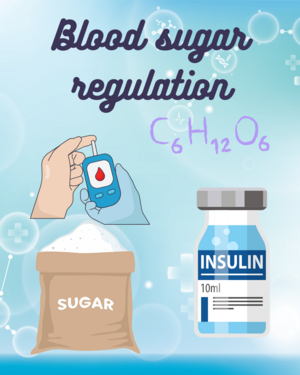
    Image titled blood sugar regulation. Contains image of chemical formula of glucose, an insulin vial, a bag of sugar and a pair of hands using a glucometer.

    The body needs energy to function. This energy must be obtained from food, processed and metabolised so it is ready for the cells to use. Glucose, a sugar molecule, makes up the most important energy source. The brain alone uses 20% of the glucose produced by the body.

    Like many other factors, blood glucose must be maintained at the correct levels for everything to function as it should. Blood glucose and blood sugar are the same thing, so we’ll use ‘glucose’ going forward. The two main hormones oppose each other to maintain the balance of blood glucose.

    Important Definitions

    Glucose: a small sugar molecule the body uses for energy to function.

    Glycogen: a long branched molecule, made up of glucose molecules. It acts as storage of energy for later use, mainly in the liver and skeletal muscles.

    Glycogenolysis: the breakdown of glycogen into glucose.

    Glycogenesis: the creation of glycogen from glucose. Don’t mix these two up!

    Gluconeogenesis: the process of making glucose from non-carbohydrate sources such as fats and proteins.

    Hypoglycaemia: low blood glucose.

    Hyperglycaemia: high blood glucose. Don’t mix these two up, check your prefixes!

    Insulin: The Anabolic Hormone

    The hormone insulin controls anabolism: the storage and utilisation of energy. Insulin secretion takes place in the beta-cells of the islets of Langerhands, within the pancreas. It promotes glucose uptake from the blood into the body cells. It also promotes glycogenesis and fat generation, in other words, the storage of energy.

    High blood glucose levels stimulate insulin secretion by the pancreas, with the aim of reducing blood glucose to normal again. For this reason, insulin follows a cycle where it is released shortly after a meal to store away the energy from food.

    Most people have heard of diabetes mellitus, an endocrine disease involving insulin function. There are two main types of diabetes mellitus, which I am specifying because there is another kind of diabetes that is less well known, diabetes insipidus. So, let’s look at the details of diabetes mellitus.

    Type 1 Diabetes Mellitus

    An autoimmune condition, the immune system attacks the beta-cells in the pancreatic islets. Insulin production is halted or massively reduced, which is why T1 diabetics need to inject insulin regularly to manage their blood glucose. The result is excessively high blood glucose.

    Type 2 Diabetes Mellitus

    This form is much more complex and still not completely understood. Various risk factors contribute to reduction of beta-cells and insulin resistance. The cells don’t respond to insulin like they should and take up glucose from the blood. Increased glucagon secretion, unresponsive to blood glucose, could also be a factor.

    The end result is a persistent hyperglycaemia which results in the symptoms of diabetes. We’ll cover the details of this later.

    Glucagon: The Catabolic Hormone

    Glucagon opposes insulin, counteracting all of its effects. The alpha-cells of the pancreatic islets produce glucagon in response to low blood glucose. Glucagon raises blood glucose and fatty acids, stimulates glycogenolysis and gluconeogenesis. In other words, taking glucose out of storage and making more of it.

    Excessive glucagon levels contributes a lot to the development of hyperglycaemic ketoacidosis in undiagnosed or poorly managed type 1 diabetics. Ketoacidosis (DKA) becomes a diabetic coma if untreated and is life-threatening.

    The Effects of Hyperglycaemia

    An excessively high blood glucose impacts almost all of the body in some way. The main symptoms of diabetes mellitus include the triad of polyphagia, polydipsia and polyuria. Polyphagia means increased appetite or eating more than normal. Polydipsia means increased thirst or drinking more than normal. Polyuria means producing more urine than normal, referring to volume rather than frequency. That said, a higher volume of urine will typically increase the frequency of urination.

    Other symptoms include vision changes, fatigue, weight changes, poor wound healing, neuropathy (tingling in legs and feet), recurrent infections, coma and seizures.

    As mentioned before, ketoacidosis is a life-threatening complication of persistently high blood glucose levels. When the cells can’t use glucose, they produce ketone bodies to make energy from instead. These ketones make the blood more acidic and cause damage. Some people can smell the ketones, usually described as a ‘fruity’ smell or like nail polish. I personally can’t smell ketones very well.

    Other diseases cause hyperglycaemia including other endocrine disorders, sepsis and brain pathology. Certain medications also affect blood glucose, particularly certain steroids, beta-blockers, statins and antipsychotics.

    Stress impacts blood glucose, as the physiology of stress prepares the body for fight or flight, including making energy available. Stress induced hyperglycaemia matters a lot in cats, because they show extreme changes in blood glucose when stressed. For this reason, diagnosing diabetes mellitus in cats is not straightforward.

    Most cats are stressed simply visiting the vet, especially if a blood sample is taken, so one high glucose result in a cat means nothing. Further testing needs to be done to confirm a diagnosis of diabetes.

    The Effects of Hypoglycaemia

    Hypoglycaemia is more immediately life-threatening than hyperglycaemia. Symptoms of low blood sugar include headaches, confusion, light-headedness, heart palpitations, anxiety, nausea and tremors. Severely low blood sugar causes seizures, loss of consciousness and even death.

    The brain relies on glucose for energy, with no other option available to the cells. Hence the neurological symptoms and risk of seizures and brain damage.

    Excessive insulin causes hypoglycaemia, whether it is an accidental overdose, not eating after taking insulin, being injected with insulin when not diabetic or an insulinoma. Insulinomas are tumours of the pancreatic islet cells and while benign, they produce insulin in an uncontrolled way.

    Adrenal disease like Addison’s disease (hypoadrenocorticism), sepsis (glucose stores are used up) and other serious illnesses can cause low blood sugar too. Alcohol consumption, fasting and intense exercise, especially if diabetic will risk hypoglycaemia. Starvation, including eating disorders and neglect as well.

    Xylitol, the artificial sweetener, causes a rapid release of insulin in dogs. This results in hypoglycaemia and liver damage. Xylitol only affects dogs in this manner, but it is a common ingredient in gum, mints, peanut butter, medications, supplements, sunscreen, toiletries and cosmetics. Dog owners, beware because xylitol toxicity is an emergency and needs rapid treatment.

    Thanks for reading! April’s themes will be the physical impact of mental health problems on Mondays, and cats on Fridays for our Creature Features! Subscribe for updates when new posts are live. See you soon!

    Proudly powered by WordPress

  • Rodents for Writers: Squirrels

    Rodents for Writers: Squirrels

    Rodents for writers: squirrels. The final part of the series on common rodents, to help writers better understand them. This time we’re covering the other major class of rodents, the squirrel family of rodents.

    This family includes tree squirrels, ground squirrels (chipmunks and prairie dogs) and flying squirrels. The focus of this article is the most common tree squirrels. The eastern gray squirrel (Sciurus carolinensis) and the Eurasian red squirrel (Sciurus vulgaris).

    Biology

    Squirrels eat tree bark, buds, flowers, berries, seeds, acorns, nuts, fungi and truffles as the main part of their diet. They will forage from garden crops like wheat, tomatoes, corn and strawberries and eat insects, frogs, small rodents, small birds and eggs, making them omnivores.

    In urban areas they will raid bins and trash cans and steal food from bird feeders in people’s gardens. They stash excess food away in the ground or inside trees for later. These stashes are known as ‘middens’, although they sometimes lose track of them.

    Since they are rodents, their incisors are open-rooted and grow continuously, while their molars do not. Squirrels have sharp claws to grip tree bark and climb, gray squirrels can even turn their hind feet in order to climb down a tree head first. Unlike most other climbing animals, who are incapable of doing this.

    Their long fluffy tails help them with balance and steering when climbing and running, as well as being adorable. Squirrels build nests in trees or take over abandoned bird nests, which they then line with moss, dry grass and feathers for warmth.

    Interestingly, in warm weather, squirrels exhibit a behaviour, they ‘sploot’ or lie flat on the ground with their limbs spread out. Apparently, this helps them lose heat.

    a grey squirrel splooting on a path, lying face down to keep itself cool
    FASTILY, CC BY-SA 4.0 https://creativecommons.org/licenses/by-sa/4.0, via Wikimedia Commons

    Invasive Species and Conservation

    Gray squirrels were introduced to the UK in the 1870s from North America. They quickly established themselves across England, Wales and southern Scotland. Unfortunately, they displaced the native red squirrels by taking over habitats, competing for food sources and transmitting squirrel pox. The squirrel pox virus is often fatal to the red squirrels, however, it doesn’t harm the gray squirrels.

    A red squirrel crouching at the base of a tree.
    hedera.baltica from Wrocław, Poland, CC BY-SA 2.0 https://creativecommons.org/licenses/by-sa/2.0, via Wikimedia Commons

    Because of this, conservation programs were implemented to protect the native red squirrels and the population has stabilised in Scotland and on the Isle of Wight.

    Culture, Mythology and Folklore

    In Norse mythology, a red squirrel plays an important role. Ratatoskr runs up and down the world-tree Yggdrasil, bringing messages between the hawk at the top of the tree and the dragon at the roots.

    Beatrix Potter’s children’s literature features many UK native wildlife species. Squirrel Nutkin the red squirrel features in her works. Denmark’s national mammal is the red squirrel.

    Thank you for reading, I hope you enjoyed this series. Stay tuned for next months themes, I’m excited to bring you more useful content in April. I’m also participating in a new writing challenge, ZAPWHAMPOW. For updates, follow my socials.

    Proudly powered by WordPress

  • RAAS and Thyroid Hormones

    RAAS and Thyroid Hormones

    The RAAS system and thyroid hormones play an essential role in managing metabolism, blood pressure and fluid balance. These hormones regulate electrolytes, water retention and metabolic rate.

    RAAS

    The renin-angiotensin-aldosterone system involves several organs and plays an essential role in maintaining blood pressure. A drop in blood flow to the kidneys activates the RAAS to increase blood pressure and maintain filtration in the kidneys.

    Soupvector, CC BY-SA 4.0 https://creativecommons.org/licenses/by-sa/4.0, via Wikimedia Commons

    The kidneys convert circulating prorenin into renin in response to reduced renal blood flow. Renin converts angiotensinogen, produced in the liver, into angiotensin I. The lungs contain ACE (angiotensin converting enzyme) which converts angiotensin I into angiotensin II.

    Angiotensin II degrades into angiotensin III which stimulates aldosterone secretion from the adrenal cortex. Angiotensin III increases the blood pressure while angiotensin II narrows the blood vessels (vasoconstriction.)

    Aldosterone is a mineralocorticoid hormone produced by the adrenal cortex. Aldosterone increases sodium and water retention, as well as potassium excretion. This keeps the electrolytes (salts) in balance and keeps water in the circulation to increase blood pressure.

    This system has several potential drug targets for treating hypertension (high blood pressure), heart disease, kidney failure and diabetes. Examples include ACE inhibitors, angiotensin II receptor blockers and renin inhibitors.

    Activation of RAAS

    Any loss in blood volume or drop in blood pressure triggers the RAAS, such as dehydration or significant haemorrhage. The system raises blood pressure and improves blood flow in the kidney’s glomeruli.

    It also triggers the release of anti-diuretic hormone (ADH), also known as vasopressin which controls water reabsorption and retention in the kidneys. ADH also acts on the brain to increase appetite for salt and thirst for water.

    Thyroid Hormones

    The thyroid gland is located in the neck, just below the larynx. It typically has two lobes, one on each side, with a pair of parathyroid glands on each side as well. The term ‘goitre’ means an enlargement of the thyroid gland which you can feel, or even see if it is large enough. A goitre does not always mean a tumour or cancer.

    The two main thyroid hormones are triiodothyronine (T3) and thyroxine (T4). They are created from tyrosine and iodine, the only function iodine has in the body. The thyroid hormones increase basal metabolic rate, absorption rate in the gut and fat breakdown. They also increase heart rate, oxygen consumption and play a role in growth and brain development.

    Regulation of Thyroid Hormone Release

    Like others we’ve discussed, the hypothalamus controls release of thyroid hormones. It secretes thryotropin releasing hormone (TRH) which stimulates the anterior pituitary to produce thyroid-stimulating hormone (TSH). TSH then acts on the thyroid gland to produce T3 and T4. The thyroid hormones have a negative feedback effect on the hypothalamus and pituitary gland to stop further hormone release.

    Thyroid Disorders

    Thyroid disorders are fairly common in humans. Hyperthyroidism (excess thyroid hormones) is extremely common in elderly cats. Hypothyroidism (underactive thyroid) is common in dogs.

    Hyperthyroidism means excess production of T3 and T4. Grave’s disease and thyroid adenoma are common causes. In cats, a benign thyroid adenoma produces excess thyroid hormones, ignoring the normal regulatory system the body has.

    Symptoms of hyperthyroidism include unexplained weight loss, hair loss, an increased appetite, fast heart rate and stress or restlessness. It can be treated with drugs that suppress thyroid function, radioactive iodine (I-131) therapy or surgery to remove part/all of the thyroid (partial or total thyroidectomy.)

    Hypothyroidism is an underactive thyroid. Remember the terminology series: hyper- means too high, hypo- means too low. An underactive thyroid is common in dogs and in humans. Iodine deficiency is a common cause, as is an autoimmune disease such as Hashimoto’s thyroiditis.

    Symptoms of hypothyroidism include weight gain that is difficult to lose, fatigue, constipation, hair loss, a slow heart rate and myxoedema. Myxoedema is abnormal swelling in limbs or the face, and is a type of non-pitting oedema. Pitting oedema means if you press it with a finger, the dent remains. Non-pitting oedema obviously means it doesn’t.

    Treatment for hypothyroid conditions includes immune modulating treatments, iodine supplements and replacement thyroid hormone like levothyroxine.

    Axolotls

    Axolotls are odd little creatures. They exist in a state of arrested development, never moving beyond the juvenile phase of the life cycle. This happens because they lack iodine and cannot produce thyroxine. They can reproduce but they retain their gills and remain fully aquatic.

    They are also capable of regenerating lost limbs. If they are treated with thyroid hormone or exposed to idone, they metamorphose into salamanders. However, they don’t survive well if this happens.

    Conclusion

    These complex systems are often misunderstood but they are important to maintain the body’s physiology as it should be. Next week we’ll cover the remaining systems, insulin and parathyroid hormones.

    Proudly powered by WordPress

  • The Stress Hormone: Cortisol

    The Stress Hormone: Cortisol

    The ‘stress hormone’ cortisol is extremely important for managing and regulating the body’s response to stress. Cortisol regulates metabolism, the response to stress and the immune system. The adrenal glands release cortisol, regulated by the hypothalamus and the pituitary gland in the brain.

    Adrenal Glands

    The paired adrenal glands live just above each kidney and are directly connected to part of the autonomic nervous system. The adrenal medulla produces adrenaline (epinephrine) and noradrenaline (norepinephrine), both of which play a role in the ‘fight or flight’ response. Read more about that system here.

    The adrenal cortex produces glucocorticoids, of which cortisol is the most important. The hypothalamus regulates cortisol secretion via the HPA axis, the hypothalamus—pituitary—adrenal cortex axis. A negative feedback loop maintains cortisol at an appropriate level.

    The hypothalamus releases CRH – corticotropin releasing hormone. This stimulates the anterior pituitary to secrete ACTH – adrenocorticotropic hormone. ACTH reaches the adrenal glands and causes cortisol secretion. Cortisol levels feed back into the hypothalamus and pituitary gland to reduce secretion of CRH and ACTH, keeping cortisol levels where they need to be.

    Role of the HPA Axis

    This system maintains homeostasis in the body by regulating metabolism, the cardiovascular system, immune system, reproductive system and the central nervous system. That’s a lot of jobs! Serious illness results from this system going wrong.

    Cortisol

    A glucocorticoid or ‘steroid’ hormone, cortisol is the stress hormone. It follows a diurnal cycle, increasing after waking, slowly dropping until late afternoon. It then resurges before dropping to its lowest point in the middle of the night.

    Pharmaceutical versions include hydrocortisone, prednisolone and several other ‘corticosteroids’. Applications include treating inflammation, managing autoimmune disorders, chemotherapy and treating allergies.

    The Effects of Cortisol

    Glucose Metabolism

    Cortisol stimulates glucose synthesis and the breakdown of glycogen in the muscles. It also increases the breakdown of fats and blocks insulin. It causes insulin resistance in an effort to increase blood glucose levels, i.e. blood sugar.

    Immune System

    Cortisol reduces the immune response, the inflammation cascade and reduces T-cell growth. That means it is immunosuppressive. This is why pharmaceutical steroids are used to treat immune-mediated and autoimmune diseases like rheumatoid arthritis, psoriasis, eczema and allergies.

    Cortisol delays wound healing, because it suppresses inflammation. The inflammation process plays a role in healing of wounds, whether injuries or surgical. Steroid treatment is withdrawn prior to surgery whenever possible, for this reason.

    Electrolytes and Water Homeostasis

    Cortisol increases GFR (glomerular filtration rate), in other words, function of the kidneys. It causes excretion of phosphate and potassium, along with water and sodium retention. Too much cortisol or not enough cortisol will cause electrolyte disturbances.

    Cortisol also stimulates secretion of stomach acid, which explains why chronic stress causes problems like heartburn and stomach ulcers. People who are stressed for a long time have high ciruclating cortisol levels.

    Memory

    Cortisol combined with adrenaline stimulates memories of short-term emotional evens in order to ensure we avoid the same thing in future. This effect is part of how trauma affects the mind and body in the long term. It is absolutely a factor in the development of PTSD.

    Long term exposure to excess cortisol damages the hippocampus, the part of the brain essential for storing long term memories and learning. This means excess cortisol impairs the ability to learn.

    Pregnancy

    During pregnancy, cortisol plays two essential roles. At 30-32 weeks gestation, cortisol stimulates production of pulmonary surfactant. Surfactant allows the lungs to expand when the first breaths are taken after birth. Without it, the newborn cannot breathe. One of the byproducts of beef production is extracting this surfactant from the cow’s lungs. Cattle lung surfactant massively improved survival rates of premature babies.

    The second role is to stimulate parturition, to initiate labour. Foetal cortisol triggers conversion of progesterone to oestrogen which in turn stimulates prostaglandin secretion and oxytocin receptor development. Oxytocin is the hormone that stimulates contractions of the uterus. Because it reduces progesterone, treatment with steroids can induce miscarriage in early pregnancies.

    Stress

    So why does this matter? The adrenal glands function to help the body cope with stressors. Adrenaline and sympathetic nervous system is there for acute dangers and cortisol is there for longer term stresses. If you are writing about someone who has been living a stressful life, they will have high levels of cortisol which impacts their physiology.

    Cortisol increases insulin resistance and thus contributes to potential risk factors for type 2 diabetes mellitus. Research into this is ongoing and while stress or high cortisol alone isn’t enough to cause diabetes, it could be part of the complex of risk factors.

    Cortisol affects the immune system and impacts immune-mediated disease. Interestingly, cortisol can both suppress the immune system and over-activate it. We know that stress impacts autoimmune diseases.

    The HPA axis is regulated by dopamine, serotonin and norepinephrine – neurotransmitters responsible for regulating mood and emotions. This connection shows how psychological stress impacts our physiology, and vice versa.

    Oxytocin down-regulates the HPA axis, reducing stress. Oxytocin is the ‘love hormone’, aside from its role in giving birth and milk let down in animals, it is released when we are close with people we love, including hugging and even during orgasm. So it proves that spending time with those we are close to can help reduce stress. This even applies to our pets!

    I talked previously about the term ‘psychosomatic’ discussed in the medical terminology series. Psychosomatic means that psychiatric changes, such as mental health disorders, have an impact on our physical bodies. It does not mean that your problems are ‘all in your head’ and not real. They are real, and mental distress has an impact on our physiology too.

    Proudly powered by WordPress

  • Endocrinology For Writers

    Endocrinology For Writers

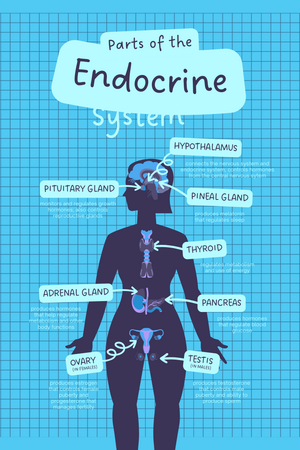
    Endocrinology for writers is the new Monday blog series for March. Endocrinology is the study of the system of hormones and signals the body uses to manage its functions. It’s a complex subject and many people find it confusing. I’m here to help try to make it easier to understand.

    Why will this help writers? It allows you to understand important body functions such as responses during stress and fear, illnesses and conditions like diabetes and reproduction. Knowing what each of the important hormones actually do helps you understand and describe the effects and behaviours. So let’s get into it with some definitions.

    Endocrinology Definitions

    Hormone: signalling molecules secreted by endocrine glands to regulate physiology and behaviours. Hormones take different forms; amino acid complexes, steroids, eicosanoids, leukotrienes and prostaglandins.

    Glands: glands that produce and secrete hormones into the bloodstream. Some organs have endocrine functions as well as their other functions in the body.

    Neuroendocrine system: thepart of the brain that connects to the endocrine system and controls the release of hormones based on input from the nervous system.

    Axis: a sequences of endocrine glands that signal each other in a specific order to control hormone secretions.

    Homeostasis: the steady state of optimal physiological function. The endocrine system manages the body in order to maintain this.

    Tropic hormones: these hormones target other endocrine glands and organs to stimulate them to produce other hormones. The anterior pituitary gland secretes the majority of these hormones.

    Feedback loops: the endocrine system has negative feedback loops that control the production of hormones. For example, high levels of cortisol will cause the hypothalamus to stop producing hormones that stimulate cortisol production. This stops the body producing too much of a hormone.

    Endocrine Glands and Organs

    The endocrine system involves the entire body and many organs and glands are involved, both secreting hormones and responding to hormones. The neuroendocrine system is the part of the brain responsible for controlling hormone release.

    Neuroendocrine System

    Pineal gland: the pineal gland within the brain produces melatonin, a homrone derived from serotonin, which regulates the sleep cycle. The pineal gland links to a light sensing organ called the ‘parietal eye’ or ‘third eye’ in reptiles and amphibians. This is most notable in tuataras, a lizard-like reptile that is the last surviving species of its category.

    Hypothalamus: this part of the brain organises inputs from all other parts of the brain and responds by releasing hormones and tropic hormones. This triggers the pituitary gland.

    Pituitary Gland: there are three lobes of the pituitary gland:

    • Anterior: responds to tropic hormones and releases other hormones
    • Intermediate: only functional in the foetus
    • Posterior: direct nerve connection to hypothalamus and produces oxytocin and vasopressin (anti-diuretic hormone or ADH)

    This system controls all aspects of reproduction; bonding, sexual behaviour, spermatogenesis (sperm production), ovarian cycle, parturition (giving birth), lactation (milk production) and maternal behaviour.

    It also controls regulation of metabolism, eating and drinking, fat metabolism, mood regulation, fluid and electrolyte homeostasis and blood pressure.

    Glands

    Glands are organs that specifically produce hormones as their main function. You may know some of them already. So let’s get into the details.

    Thyroid gland: The thyroid gland is located just below the larynx and has two lobes. It secretes the thyroid hormones thyroxine (T4) and triiodothyronine (T3) to control metabolism.

    Parathyroid glands: Four tiny glands located behind the thyroid gland, hence the name. The parathyroid glands produce parathyroid hormone (big surprise!) an important hormone for calcium homeostasis.

    Adrenal Glands: a pair of glands located above the kidneys, split into two regions with different functions. We’ll cover this in detail in a later post.

    • Adrenal cortex: produces glucocorticoids, mineralocorticoids and androgens
    • Adrenal medulla: adrenaline (epinephrine) and noradrenalin (norepinephrine)
    • The adrenal glands also produce dopamine and enkephalin

    Gonads: the primary organs producing sex hormones and gametes. I’m including the uterus and placenta too.

    • Testes: the male gonads produce androgens such as testosterone, oestradiol (estradiol Am. Eng.) and inhibin.
    • Ovaries and Corpus Luteum: progesterones, oestrogens (estrogens Am. Eng.) and inhibin.
    • Placenta: progesterone, oestrogens, human chorionic gonadotrophin (hCG) and human placental lactogen.
    • Uterus: during pregnancy it produces prolactin, which stimulates milk production, and relaxin which affects blood flow and relaxes the pelvis and birth canal.

    Organs With Endocrine Functions

    Several organs have endocrine functions in addition to their other functions. Not only do they produce hormones, they also respond to hormones as well as other changes in the body’s physiology.

    Pancreas: the pancreas has exocrine functions (digestive enzymes) and endocrine functions related to blood glucose (blood sugar) and metabolism.

    • Insulin – produced in the β-islet cells (beta-islet) to reduce blood glucose and stimulate glucose uptake by cells.
    • Glucagon – produced in the α-islet cells (alpha-islet) to increase blood glucose and glucose production in the liver.
    • Somatostatin – produced in the δ-islet cells (delta-islet) to inhibit release of insulin and glucagon.

    Kidneys: the kidneys produce erythropoietin which stimulates production of red blood cells in the bone marrow. They also release renin, which is involved in the RAAS system and calcitrol, the active form of vitamin D3.

    Liver: produces insulin-like growth factor (IGF), thrombopoietin (THPO) to stimulate platelet production, hepcidin, angiotensinogen and angiotensin. The later two are also part of the RAAS system, which we’ll cover at a later date.

    Heart: ANP (atrial natruiretic peptide) and BNP (brain natruiretic peptide) released from the muscle cells of the heart control blood pressure.

    This covers a basic introduction to endocrinology for writers. Over the next few weeks we will cover the important systems that will help you understand how important endocrinology is for our behaviours and emotions. Don’t forget to subscribe for more updates and find me on my social media channels.

    Proudly powered by WordPress

  • Creature Features: Snakes Cultural Impact

    Creature Features: Snakes Cultural Impact

    Snake’s Cultural Impact

    Photograph of a cobra with its hood raised.
    © Patrick JEAN / muséum d’histoire naturelle de Nantes, Attribution, via Wikimedia Commons

    Let’s discuss the cultural impact of snakes. Snakes form an important part of many cultures in the world, both modern and historical. Ophidiophobia (phobia of snakes) is commonplace. Last week, we discussed the potential dangers certain snakes pose. The main risks include venomous bites and the largest constrictors. Non-venomous snakes are not a threat to humans.

    Snake Charming

    You will know this from various cartoons and movies. Snake charming is an Indian roadside show where the charmer plays a flute-like instrument and the snake responds to the music. Typically, the Indian cobra species.

    The snake is actually responding to the movement of the instrument, they lack external ears so they don’t hear in the conventional sense. Animal welfare laws prohibit snake charming.

    Snake Catchers

    The Irula tribe from India have been catching snakes for generations professionally. The snake skin industry was outlawed in 1972. The Irula tribe now catch the snakes to milk their venom. The venom is collected and used for producing antivenom, biomedical research and other medicinal products.

    There are modern day experts elsewhere in the world, who specialise in catching snakes both for study and to remove them from homes and property.

    Consumption

    Many people eat snakes, especially in Asia: China, Taiwan, Thailand, Indonesia, Vietnam and Cambodia. Snakes are believed to have health benefits and aphrodisiac properties. Snake wine, which is wine infused with whole snakes, is used in Chinese traditional medicine.

    Pets

    People keep snakes as pets, especially the more docile smaller snakes like the corn snake and the ball python. Snakes require specialist housing for optimum health but usually only need fed once every week or two. You need to seek expert veterinary care for snakes as well, not all vets are knowledgable or comfortable handling them.

    Symbolism and Mythology of Snakes

    Ancient Mesopotamia

    Nirah means ‘little snake’ in Sumerian. Nirah is a messenger god and may be lord of the underworld. Sumerian art features representations of two intertwined serpents. Ancient deities iconography in Assyria and Babylon feature snakes.

    Hopi Tribe of Arizon

    The Hopi Native American tribe celebrate snakes as a symbol of fertility. They release snakes into the fields to guarantee good crops. So they represent the umbilical cord joining all humans to mother Earth.

    Egypt

    Ancient Egyptian iconography commonly incorporates snakes. The Nile Cobra adorns the crown of the pharaoh. Snake iconography associated with Ra, Wadjet, Renenutet, Nehebkau and Meretseger.

    More sinister purposes for snakes exist in Ancient Egypt – using them to murder an adversary or to comit a ritual suicide. Cleopatra is famous for allowing an asp (Egyptian Cobra) to bite her, according to popular belief.

    Ouroboros

    Found in Ancient Egyptian iconography and Greek magical tradition, the symbol of a snake eating its own tail. Gnosticism, Hermeticism and alchemy adopted the ouroboros icon.

    The ouroboros represents the eternal cyclic renewal, or a cycle of life, death and rebirth. Snake’s shed their skin as they grow, hence this is representative of the transmigration of souls or immortality.

    The act of biting its own tail is a fertility symbol in some religions: the tail is a phallic symbol and the mouth is a yonic or womb-like symbol. So, the ouroborous represents sexual intercourse and reproduction.

    Ancient Greece: Medusa

    The legend of Medusa depicts a monster with snakes for hair that can turn those who look at her into stone. The hero Perseus slayed Medusa. She had two sisters, Stheno and Euryale who were both gorgons as well. Her image symbolises warding off evil.

    In Ovid’s Metamorphoses the tale of Medusa is a bit different by comparison. Medusa, a priestess of Athena and suffered sexual assault by Poseidon, the god of the sea. Athena turned her into a gorgon after this. Some say as punishment, others believe it was so she could protect herself. Because of this, Medusa is an important symbol for sexual assault survivors in the modern day.

     Asclepius

    The Greek god of healing, Asclepius, represented by a rod or staff with a serpent wrapped around it. The sick and injured went to Asclepius’ temples for healing and care. Hence, the staff of Asclepius became a symbol for medicine.

    Similarly, Hermes’ staff, Caduceus has wings and two serpents intertwined around it. With a V included in the symbol, it represents veterinary medicine. Hermes was messenger to the Olympian gods.

    India

    Indian traditions and deities feature snakes a lot. Shiva has a cobra around the neck. Vishnu is sometimes depicted as sleeping on a seven-headed snake or within the coils of a serpent.

    Temples dedicated to cobras called Nagraj are common. Snakes symbolise fertility and people celebrate them during the Hindu festival of Nag Panchami.

    China

    The Chinese Zodiac features snakes as one of the twelve celestial animals. 2025 is the year of the snake, hence my choice of topic for this month. Snakes associate with traits like intelligence and unscrupulousness. Ancient China related snakes to the river deities.

    Christianity and Judaism

    The Garden of Eden

    We can’t talk about snakes in culture and society without discussing this. In the book of Genesis, a serpent tempts Eve to eat the forbidden fruit from the Tree of Knowledge. God throws Adam and Eve out of the Garden as punishment and this confers the concept of ‘Original Sin’ on humanity. Whether you believe it or not, nobody can deny the importance of this story on shaping our society and culture. Genesis doesn’t name the serpent, but it is a common belief that the serpent is the Devil.

    Moses

    In the book of Exodus, Moses turns his staff into a snake as proof of God’s power. In the book of Kings, God instructed Moses to create the Nehushtan – a bronze snake on a pole that cured people of snake bites in the desert.

    Satan

    The final book in the New Testament, the book of Revelation contains the final mention of serpents in the Bible. There, serpents are symbolic of Satan, the fallen angel who tempts people towards sin. He plays a role in the apocalypse described by the book of Revelation.

    It’s clear that snakes represent evil and sin in Christianity. There is less of this in Judaism and Islam.

    Conclusion

    It’s clear that snakes play an important role in a lot of cultures. They can symbolise fertility, the cycle of life, rebirth, evil and temptation. People fear and revere snakes across the world. Often maligned and misunderstood, yet they have played an important role in shaping society as it is today.

    However, snakes also represent healing, recovery and caring for people and animals alike. I love snakes, they are fascinating creatures and get a bad rap. They have personalities, unique abilities and an important place in the ecosystem.

    I hope you enjoyed this summary of the snakes cultural impact and why they matter so much. They have a number of representations which you can use in your writing to symbolise different things. As always, if you have any thoughts or questions, I’d love to hear them.

    Proudly powered by WordPress

  • Understanding Medical Terminology – Colour, Position and Quantity

    Understanding Medical Terminology – Colour, Position and Quantity

    Roots of Colour

    Understanding medical terminology – colour, position and quantity. These word roots are essential for accurate descriptions of medical and anatomical items.

    Many words used to describe the colour of something in the medical world exist. Both Latin and Greek roots are used for the most part with the exception of yellow which also has a French prefix. These roots are combined with suffixes to describe many things. Here’s the list of prefixes:

    ColourGreek RootLatin RootFrench Root
    BlackMelan-Atr- or Nigr-–
    BlueCyan-Cerule-–
    GoldChrys-Aur-–
    GreyPoli-Can-–
    GreenChlor-Vir-–
    PurplePorphyr-Purpur- or Purpureo-–
    RedErythr- or Rhod-Rub-, Rubr- or Ruf-–
    Red-OrangeCirrh-––
    Silver–Argent-–
    WhiteLeuc- or LeukAlb- or Cand-–
    YellowXanth-Flav-Jaun-

    Once you know these roots you will spot them in medical words and in Latin names for species. You’ll find that you recognise some of these words already. So let’s take a look at a few examples:

    Cells

    The suffix ‘-cyte’ refers to a body cell. So melanocytes (black cells literally) are the cells in the skin that contained melanin pigment. Melanoma means a cancer of these cells. Erythrocyte translates literally as ‘red cell’ so it’s referring to red blood cells. Leucocyte (also spelled leukocyte) is a white cell – white blood cells.

    -osis

    This suffix means ‘condition, disease process or increase’ and is used a lot. Cyanosis means a blue discoloration of the skin/lips due to hypoxia (low oxygen). You describe someone as ‘cyanotic’ which is the adjective form. Poliosis describes a localised patch of grey or white hair. Chlorosis describes a yellow/green tinge to the skin in cases with severe iron deficiency.

    Bile Pigments

    Two of the main bile pigments use the latin roots. Bilirubin is the red bile pigment. It is produced in the liver by breaking down dead red blood cells. Another bile pigment, which is responsible for the green/yellow colour is biliverdin. You can guess that the prefix ‘bili’ relates to the bile.

    These pigments build up in the body due to liver or gall-bladder disease or a condition causing high destruction of red blood cells. This leads to the bile pigments moving into the body tissues and causing a colour change. It’s usually first noticable in the white of the eye (sclera) but eventually will change the skin and mucous membranes. This is called ‘jaundice’ and uses the French root. A fancy way of saying you look like a Simpson.

    Albumin

    Albumin is a protein that is found in the blood. It has a lot of functions, including transporting other substances and osmotic pressure to maintain the right balance of fluid between the cells and the circulation of the body. It is also found in egg whites, hence the name!

    Porphyria

    Porphyria is a disorder where porphyrins build up in the body. Porphyrins are used to make haem, the protein and iron molecule within red blood cells that carry oxygen around the body. Porphyria causes seizures, vomiting and all kinds of horrible symptoms, but it’s usually genetic.

    One of the key characteristics is the change in urine colour in response to sun exposure. The urine will turn purple. Porphyria causes an extreme sensitivity to sunlight. It has been theorised that this might explain some aspects of legends around vampires and werewolves but this may not be true. There are a number of historic royals who are suspected to have had this disease, including Mary, Queen of Scots and Maria I of Portugal. Vincent Van Gough, the artist, may have suffered from acute intermittend porphyria.

    Medical Terminology – Roots Of Position

    These roots describe locations in a lot of adjectives and nouns in the medical world. They can tell you where something is located, or which isomer of a molecule is present. Isomers are molecules that are identical in terms of properties, except for the direction they rotate polarised light. Such as ‘levothyroxine’ which is an L isomer of thyroxine (T4), the main thyroid hormone. Only the L isomer is active, the D isomer has no effect on the body.

    DescriptionGreek RootLatin Root
    Around/SurroundingPeri-Circum-
    Internal/WithinEndo-Intra-
    LeftLevo-Laev- or Sinistr-
    MiddleMeso- Mes-Medi-
    RightDexi-Dex-, Dextr- or Dextro-

    So here’s a few examples: Pericardium is the tough capsule that surrounds the heart. It contains a small amount of fluid and is there to protect the heart. So ‘peri-‘ means around and ‘cardium’ means the heart.

    Endometriosis

    Endometriosis is a topical condition right now, because it takes an average of seven years to diagnose. As we mentioned before the suffix ‘-osis’ means condition or disease. Endometrium is the term for the lining of the uterus, the part that is shed every monthly cycle. ‘Endo-‘ means inside and ‘-metrium’ is related to the uterus. So endometriosis means that the cells normally found inside the uterus start growing in other places in the body and cause severe symptoms. It’s extremely debilitating.

    Mediastinum

    Mediastinum is the anatomical term for the space between the lungs. The middle of the chest, in essence. This is where there are mediastinal lymph nodes, the thymus and the heart. A rare but interesting condition is ‘dextrocardia’ where the heart is on the right side of the chest instead of the left. There’s even an extreme version called ‘situs inversus’ where all the organs are flipped left to right and mirrored.

    Medical Terminology – Quantity or Amount

    There are a few prefixes that denote the number of something or the amount of something. You will encounter these a lot in medical terminology and other scientific writing. There is one that could trip you up but we’ll get to that.

    DescriptionGreek RootLatin RootOther (French)
    DoubleDiplo-Dupli-–
    EqualIso-Equi-–
    FewOligo-Pauci-–
    HalfHemi-Semi-Demi-
    Many/MuchPoly-Multi-–
    TwiceDis-Bis-–

    One you’ve probably heard a lot is ‘isotonic’. This term describes a fluid that has the same concentration as another. Intravenous fluids are usually isotonic, meaning they have the same concentration of electrolytes as the blood.

    Hemivertebrae is a condition where the vertebrae of the spine don’t form properly, only half of the vertebrae is present. It can cause all kinds of pain and difficulty. It’s congenital, meaning it is present from birth.

    When writing instructions for medication, we use a shorthand Latin acronym. Not for patients, of course, but between doctors, nurses and pharmacists they will use these. B.I.D stands for bis in diem – that means twice a day.

    ‘Equi-‘ means equal in Latin. Don’t get caught out by this anatomical term! The ‘cauda equina’ describes the tail end of the spinal cord where a bundle of nerves extend past the end of the cord. It looks like a horses tail so in this case ‘equina’ is referring to ‘equine’, that is to horses. ‘Cauda’ refers to the tail – a term used a lot more in animal medicine than humans.

    Thanks for reading, I hope you enjoyed this rundown of medical terminology – colour, position and quantity. If you missed the previous ones you can find them here and here. Subscribe to be updated when a new post is live and find me on my social media channels.

    Proudly powered by WordPress

  • Creature Features: Snake Senses and Physiology

    Creature Features: Snake Senses and Physiology

    Snake Senses and Physiology

    Snake Eyes

    Close up view of a python's face showing an orange eye with a slit pupil and the labial pits
    Python Close Up showing eyes and labial pits
    Alias 0591 from the Netherlands, CC BY 2.0 https://creativecommons.org/licenses/by/2.0 , via Wikimedia Commons

    No, not when you roll a one on a dice. Actual snake eyes, on actual snakes. We’re talking about snake senses and physiology. Snakes generally have good vision, some of them have slitted pupils like cats. All snakes lack eyelids, instead they have a clear scale covering the eye called the spectacle.

    You can tell if a snake is due to shed its skin because the eyes go cloudy. Fluid is secreted under the old skin to lift it off to be shed, and this causes the cloudiness. Snakes are vulnerable during this process so they can be more aggressive than usual if disturbed as they are blind.

    Some snakes also have the ability to ‘see’ infrared to find prey in the dark. Pythons, boas and pit vipers have indentations on their upper lips called the ‘labial pits’ which sense infrared. The image shows the little holes along the top lip of the snake, these are the labial pits. Each group of species evolved these things separately, and they are also believed to play a role in temperature regulation as well as hunting. Like night-vision goggles essentially, isn’t that cool?

    Snake Tongue and Sense of Smell

    Snakes use their tongues to detect scents. So when you see their little forked tongue flicker out, that’s what they’re doing. Most people know this. The tongue collects airborne particles and feeds them to the ‘vomeronasal organ’ also known as the ‘Jacobson’s organ’ inside the mouth. This organ is present in most animals, but not humans and aids in scent detection, especially pheromones. So it’s important for detecting prey, predators and potential mates.

    Snake Skin

    Snake skin is highly specialised to protect their bodies and provide grip for their unique form of movement. Lacking legs means that snakes must move flat along the ground, so their scales help them grip the surfaces. Many species can make use of this to climb trees as well and even smoother surfaces to an extent.

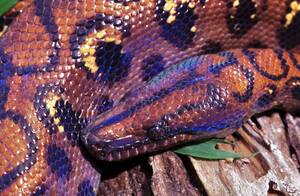
    A colourful rainbow boa that is wrapped around tree branches showing the scales of a snake's skin.
    Rainbow Boa showing it’s beautiful scales
    Damien Farrell, CC BY 3.0 https://creativecommons.org/licenses/by/3.0 , via Wikimedia Commons

    Snakes are covered in scales – some are smoother, others are ‘keeled’, meaning they have a ridge down the centre. Their dorsal scales, the upper body scales, are usually loosely diamond-shaped and arranged in interlocking rows. Their ventral scales (belly scales) are usually singular and wide until the vent, after which they are paired until the end of the tail.

    Ecdysis means shedding of the skin. This is something all snakes go through as they grow. Younger snakes will shed more frequently than older snakes. The process takes a bit of time. The new scales grow underneath, and fluid lifts off the old scales.

    This is when the spectacle goes cloudy. The snake will not feed during this process, but usually will feed soon after. Normally the snake sheds its skin in one long piece. They rub their chin on something rough like a rock or tree, and slowly wiggle their way out of the skin.

    Rattlesnakes have a unique set of scales on the end of their tails. They build up from previous sheds and form a hardened collection of scales which makes a sound when shaken. They use this as a warning to predators, and it gives them the name.

    Reproduction

    Snakes reproduce sexually, with internal fertilisation. Most species lay a clutch of eggs, which are left to hatch and fend for themselves. Some species stay with the eggs and care for them until they hatch, like pythons.

    A few species are classed as ‘ovoviviparous’, which means they keep the eggs inside until they hatch and are ‘born’. So this is a kind of inbetween egg layers and live birthers, if you will. Rattlesnakes are an example of this.

    There are a couple of species that have true live births. The boa constrictor and green anaconda both have placentas as well as yolk sacs for their young and give birth to live snakes. They don’t produce eggs.

    A phenonemon called parthenogenesis is seen in a couple of snake species. Parthenogenesis is a form of asexual reproduction, where a female animal can produce fertile eggs without mating. Copperheads and Cottonmouths are capable of this, although they can also do it the old-fashioned way.

    Feeding Snakes

    Snakes are carnivores and eat animals, occasionally eggs but mostly smaller animals. They eat their prey whole and take a while to digest their meal. Some even eat other snakes in some cases. Snakes can’t bite off or chew their food, and are specialised towards this as discussed last week.

    Snakes tend to be ambush predators and will strike quickly to catch their prey. Venomous snakes bite and inject venom to kill their prey before eating it. Other snakes will use constriction – wrapping their bodies around the prey and squeezing it until it dies before they slowly swallow it.

    A cobra demonstrating it's hood which is used in aggression.
    Cobra showing it’s hood
    © Patrick JEAN / muséum d’histoire naturelle de Nantes, Attribution, via Wikimedia Commons

    They then go and rest to digest their prey. Ideally they would keep their body temperature around 30 °C (86 °F) and as they are ectothermic they will move to a location to keep their temperature around that level. It takes some time to digest but they can digest everything but hair, feathers and claws. These indigestible parts are excreted within the faeces of the snake. Snakes don’t eat often, depending on the species and size of the previous meal this can range from once a week to a couple of times a year! Younger snakes need to eat more frequently so they have energy for growth. In captivity it’s important not to overfeed snakes. But they can also go a long time without food as well, over a year in some cases.

    Thanks for reading!

    Thanks for reading this rundown of snake senses and physiology. Next week we’re going to talk about venomous snakes and the dangers snakes can pose to us. If you missed the first part, you can read about snake anatomy here. Don’t forget to subscribe to be updated when a new post is live and find me on my social media channels.

    Proudly powered by WordPress

  • Creature Features: Snakes and Serpents

    Creature Features: Snakes and Serpents

    In honour of this being the Year of the Snake, I thought we could talk about snakes. They are a common phobia, and culturally they have had quite an impact on human society. From the Garden of Eden to Cleopatra’s death, snakes are often thought of as evil or dangerous. Yet other people love them and they are a common exotic pet.

    A warning for those with ophidiophobia, fear of snakes, this series of articles will contain photographs of snakes occasionally. So feel free to skip these ones if you like. The anatomical diagrams will hopefully be less of a problem. That said, let’s get into it. We’ll start with some snake anatomy and physiology – discussing some of the unique features of serpents. Then we’ll look at the real life dangers of snakes, and finally a discussion of the cultural impact these creatures have had.

    I have a video going through these details here, if you’d prefer that format.

    Basic Snake Anatomy

    Snakes are limbless reptiles, with long thin bodies and protective scales. They lack eyelids but generally have good vision. Their diet is carnivorous and they strike with venom or constrict their prey, before swallowing it whole. Most snakes lay eggs, but there are a few that deliver live young.

    Like all reptiles, they are ectothermic. You might know this as ‘cold-blooded’ but it means that they control their body temperature by using their environment instead of generating body heat internally. So they bask in the sun to increase their temperature and hide in the shade or burrow to cool down.

    Internal Organs of Snakes

    Here’s a quick overview of their organ layout. They only have one full lung, the right lung. The left lung is small and not involved in oxygen exchange, but may have an immune function. Air sacs extend from the functional lung, storing air and allowing snakes to hold their breath for a long time. The heart has three chambers: a single ventricle and two atria. It is located near the end of the first third of the body length. There is no diaphragm to separate the chest and abdomen.

    The rest of the organs are as expected: a liver, two kidneys, a spleen, a gallbladder, stomach and intestines and reproductive organs. A male snake has a pair of testes and a pair of hemipenes (yes, they have two penises essentially) that lie within the tail when not in use. Female snakes instead have ovaries and an oviduct (kind of like a uterus.) Eggs are formed and held in the oviduct until they are ready to be laid, or hatch before the live young are born.

    Diagram of snake internal anatomy
    Uwe Gille, CC BY-SA 3.0 http://creativecommons.org/licenses/by-sa/3.0/, via Wikimedia Commons
    1. oesophagus
    2. trachea
    3. tracheal lungs
    4. rudimentary left lung
    5. right lung
    6. heart
    7. liver
    8. stomach
    9. air sac
    10. gallbladder
    11. pancreas
    12. spleen
    13. intestine
    14. testicles
    15. Kidneys

    Snake Skeleton Anatomy

    Snakes have no limbs and there is nothing left of the pectoral girdle: shoulders, collar bones etc. Boas and pythons do have vestigial pelvic bones and claws, but most of the more recently evolved species don’t have this at all.

    dbking, CC BY 2.0 https://creativecommons.org/licenses/by/2.0, via Wikimedia Commons

    The body skeleton is made up of vertebrae and ribs: from 175 to 400 vertebrae can be present. Almost all of them have a pair of attached ribs, except the first couple attached to the skull, and the caudal vertebrae that make up the tail of the snake. The division between body and tail can be seen externally when the belly scales change from one single scale to paired scales – just beyond the vent (the genital opening.)

    Snake Skull and Jaws

    The snake’s skull is extremely complex. The jaw has an extra bone called the quadrate bone and extra joints that allow for the snake to open its mouth wide enough to swallow prey larger than its head. Each side of the mandible, the lower jaw, can move independently as well.

    There is significant variation in anatomical structure between different species. The details of this are beyond the scope of this article but if you are interested you can find an in-depth explanation here: https://en.wikipedia.org/wiki/Snake_skeleton#Joints_of_the_snake_skull

    burmese python skull edited to indicate the different joints of the snake skull to facilitate it opening its mouth wide enough to swallow prey
    Mokele at English Wikipedia, Public domain, via Wikimedia Commons

    Lateral view of the skull of a Burmese python, with visible kinetic joints labeled. Red = highly mobile, green = slightly mobile, blue = immobile.

    • Red A: the joint between the mandible and quadrate. It is analogous to the joint in mammalian jaws.
    • Red B: the joint between the quadrate and the supratemporal. It is highly mobile in most directions, allowing a wider gape (i.e., the snake can open its mouth wider) and greater jaw flexibility.
    • Red C: the joint between the prefrontal and maxilla. It allows the maxilla to pivot in the plane of the photograph, and while it does not increase gape, it does facilitate the complex action by which the snake draws prey into its mouth.
    • Green A: the joint between the frontal bone and nasal bone. It allows the nose to upturn slightly, increasing gape and assisting in swallowing.
    • Green B: allows the lower jaws to bow outwards, further increasing the gape.
    • Blue: the joint between the supratemporal and parietal. Immobile, except for Dasypeltis.

    Snake Teeth

    The teeth are curved and point backwards towards the throat to allow for the snake to slowly ingest the whole prey. Venomous snakes have specialised teeth that can deliver venom after a bite such as the ‘fangs’ with grooves to deliver the poison.

    Snakes can strike fast, curling their bodies and arching forward to bite and deliver venom or grab hold of the prey so they can constrict it and kill it. The above link has more details on the different kinds of dentition seen in snake species.

    Close up of a rainbow boa showing the colours of its scales.
    Bernard DUPONT from FRANCE, CC BY-SA 2.0 https://creativecommons.org/licenses/by-sa/2.0, via Wikimedia Commons

    Thanks for reading this brief introduction to snake anatomy Next week we’ll discuss a bit more about snake physiology and some of their unique features, so I hope you’ll come back for that. See you soon!