Category: Medical Knowledge for Writers

  • The Reality of Living With Depression

    The Reality of Living With Depression

    What Is Depression?

    Studies show that one in five people will experience depression at some point in their life. So what is the reality of living with depression? It’s not just about feeling ‘sad’ or ‘down’ – everyone gets that at some point. Depression is a lot deeper and more insidious. It disrupts your every day life and you can’t just ‘snap out of it.’ This is your trigger warning, this article will discuss suicide and suicidal ideation. Please take care of your mental health if this topic will be too much for you.

    People living with depression will experience a lot of symptoms and difficulties. They lose interest in things they used to enjoy, have changes in weight, difficulties with sleeping, a lack of energy (fatigue) and negative self beliefs and self talk. I am not a mental health professional, I am a person with experience of living with depression. I cannot diagnose or treat and would recommend seeking professional advice.

    Serotonin

    I discussed the neurotransmitters in a previous post. Serotonin is the one most people focus on when we are talking about depression. Low serotonin is common in depression but is more likely to be a symptom than the cause. That said, serotonin is still the basis of pharmaceutical treatment of depression, for example SSRIs, Selective Serotonin Reuptake Inhibitors. A licensed medical professional can advise on appropriate options for treatment.

    Distorted Thinking In Depression

    One of the hallmarks of depression is distorted thinking. Thoughts and emotions that occur that continue the cycle of negativity and the feelings of worthlessness and hopelessness that depression brings. Things like making predictions about the future that are extremely negative. Assuming what other people think of you, and assuming the worst. Telling yourself that everyone hates you, they find you annoying and they only tolerate you because they have to.

    Catastrophising means treating everything that happens as a huge deal, even minor things that go wrong feel like the end of the world. Blaming yourself for everything that goes wrong and obsessing about what you should have done. Even when it isn’t your fault.

    Ignoring the positives and assuming everything will go wrong. Depressed people will often ignore, or not even notice, when something good happens. They only focus on the negative things. They will often self-label as worthless, a failure, useless, all kinds of things that indicate poor self-worth and self-esteem.

    Please understand that none of these things are true and experiencing depression is not your fault, it’s not because you are weak. It is your brain lying to you, in a way. It’s not easy to live with but you can find help and support.

    The Reality of Living With Depression

    People with depression tend to self-isolate and spend excessive time alone. They avoid social engagements and will often make plans then ‘flake out’ at the last minute. They then feel guilty for letting people down and spend their time thinking the worst of themselves.

    Sleep disturbances are common in depression. Either insomnia develops where the person can’t sleep or can’t stay asleep. This makes it harder to break the negative thought cycles as well as worsening fatigue. Other people will sleep too much, spending excessive amounts of time in bed, perhaps even having an inability to get themselves out of bed.

    Appetite can be affected too, either not eating enough or seeking comfort by excessive eating. This can lead to weight loss or gain, which can factor in to more of the negative thought cycles. Emotional dysregulation is very common. Either they are emotionally detached and numb, or experience negative emotions in a very pronounced way. Not just sadness, some people will experience irritability or anger that may seem irrational.

    People will lose interest in things like their hobbies and interests, work and social life. Poor libido is common too. They will stop doing things they enjoy. They will also stop taking care of themselves and their home including hygiene, cleaning the home, making food and that kind of thing. I’ve experienced this and at my worst last year I was showering twice a week and did not care for myself properly.

    People with depression also don’t believe they are worthy of love, care, friendship, respect or consideration from others. They may reject support and avoid reaching out because they believe they are a burden and don’t want to drag other people down with them.

    Living with depression is hard, you are constantly battling your own mind. A lot of people will start self-medicating with substances like alcohol and illegal drugs. This could also be a factor in self-harm behaviours. It’s a coping mechanism, but not a healthy one and long term it will make the situation worse.

    Suicidal Ideation

    This is the most difficult part of depression, both to experience and to talk about. Depression can lead to thoughts of death, self-harm and suicidal ideation. This stems from the belief that the person is worthless, a burden to their friends and family and a belief that everyone around them will be better off without them.

    They may think about ending their life, imagining how to do it and thinking of plans. They may begin making preparations like giving away possessions and that kind of thing. These thoughts are dark and distressing but with depression it can feel like there’s no other way out of the situation.

    If someone admits to feeling this way, please take them seriously and do not judge them. It’s hard to hear when someone you care about wants to end their life, but it is very important that you do not make it about you. Do not call them selfish or tell them how much it will hurt you or other people. They already feel guilty enough, adding more guilt to that will NOT help the situation. Do not dismiss them as dramatic or stupid. If they are in immediate danger, don’t leave them alone and seek professional help for them.

    I think this point bears repeating. Don’t tell a person who has trusted you enough to admit to these feelings, that they will hurt you by taking their own life. No matter how upsetting it is for you to hear, it is also very difficult for them and if you focus on your own feelings instead, you’re manipulating them into feeling guilty about it. Unintentionally, perhaps, but it does not help the person.

    Beware if someone who has depression suddenly seems happy and content. This might not be a sign of them feeling better, it could be that they have made the decision to end their life and they feel good because they know the end is in sight and it is a relief. Especially if they start giving possessions away. Reach out and make sure they know you care.

    How To Help Someone Living With Depression

    There are a lot of things you can do to help someone you know that is living with depression. A lot of it comes down to simply being there for them, show up and support them. Listen to them and don’t dismiss their feelings. Try to avoid offering solutions unless they ask, don’t tell them they’re wrong or that they need to ‘snap out of it.’ Encourage them to seek professional support, help them do this if you can. Remind them that you care and they deserve to be cared about. Gentle encouragement with self-care like nutrition and exercise.

    How To Help Yourself

    Remember that it is not ‘all in your head’, you have an illness, a real illness and it is not your fault. You did nothing to deserve this, you are not lazy and you are not weak. Reach out for help, there are people who want to help you, I promise. Seeing your doctor is an important step to get the help you need.

    Medication can help and it is worth considering, your doctor can help you decide what to try. Talking therapies, counselling and CBT are all options that can help as well. If one thing doesn’t work, that’s okay, you can try something else. Different treatments work better for different people.

    Try not to isolate yourself, you have people around you that care and want to help you. It’s hard to admit when you need help, I know that. But those of us with mental health issues are good at masking, so people might not know what’s going on. It’s okay to not be okay, but it’s okay to put yourself first as well.

    If you need help, Mind has a list of useful contacts. They are there to help. You can find the list here. For those outside the UK, you can easily find helplines via Google that cover where you live. You deserve hope, you deserve help and things can get better. It’s hard to see when you’re in the dark place, but I promise there’s space for you and you are worth helping.
  • Physical Effects of Mental Health: Neurotransmitters

    Physical Effects of Mental Health: Neurotransmitters

    There are many physical effects of our mental health. Neurotransmitters play a huge role in mental and cognitive functions. A lot of people separate mental and physical health issues, and mental health still carries a lot of stigma.

    Scientific background: image of a brain with text 'Mental health matters' then more text 'physical effects of mental health.'

    “It’s all in your head!”

    Except, that doesn’t make it any less real. Mental health problems are real, important and worthy of the same consideration. Neurotransmitters affect nearly all parts of the body in some fashion, which means that mental health issues do have physical effects.

    The full relationship is unclear, whether changes in brain chemistry cause the symptoms and behavioural changes. Or the symptoms and behavioural changes cause the changes in brain chemistry.

    Neurotransmitters are chemical messengers that cross the synapses and bind to receptors to send messages between the neurons and end organs. They either stimulate or inhibit depending on the receptor type. This subject is complex, so we’re going to fous on the important neurotransmitters that matter the most in mental health disorders.

    Serotonin

    A very important neurotransmitter, serotonin is known as 5-hydroxytryptamine or 5-HT. It is a monoamine neurotransmitter produced by the gastrointestinal tract. Enterochromaffin cells release serotonin, which is synthesised from tryptophan in dietary proteins.

    Serotonin regulates mood, cognition, reward, learning, memory and sleep. It also regulates the digestive system, including appetite, vomiting and other digestive processes. It also acts on the blood vessels to manage blood pressure.

    Excessive levels of serotonin result in serotonin syndrome, a serious and potentially life-threatening condition. Overdose or certain combinations of drugs put a patient at risk of serotonin syndrome. For example, combining an SSRI (Selective serotonin reuptake inhibitor) and an MAOI (Monoamine oxidase inhibitor) together. However, serotonin receptors make up important targets for all kinds of pharmaceuticals, including but not limited to mood disorders, anti-emetics (stop vomiting/nausea) and migraine treatments.

    Dopamine

    Known as the ‘pleasure chemical’, dopamine plays many roles in the body. It is a catecholamine neurotransmitter produced in the brain. There are many dopamine pathways, the most important and well known being the ‘reward-motivated behaviour’.

    Anticipation of a reward increases dopamine levels, as do pleasurable experiences. Dopamine plays a role in motor control and managing the release of a number of hormones. Addictive drugs affect dopamine levels and reinforce the cravings and addiction.

    Parkinson’s disease involves the loss of dopamine producing cells in the brain, causing the symptoms of the disease. Dopamine plays important roles in schizophrenia and ADHD as well.

    Dopamine acts as a stimulant to treat low blood pressure, slow heart rates and cardiac arrest, especially useful in newborns. Amphetamines increase dopamine levels in the brain, hence their use in treatment of ADHD, which improves quality of life for lots of people.

    Norepinephrine

    You may know this one as ‘noradrenaline’, both terms are correct but norepinephrine is the general international standard. It is a catecholamine with endocrine (hormone) functions as well. It plays a role in the ‘fight or flight’ response by increasing alertness, vigilance, enchancing memory functions and focusing attention.

    Adrenergic receptors respond to norepinephrine and are a common target for medications. Stimulants increase the amount of norepinephrine. Serotonin-norepinephrine reuptake inhibitors (SNRIs) and amphetamines fit into this category. Antagonistic drugs include beta-blockers which are prescribed to manage anxiety by reducing the heart-rate.

    Stress and anxiety, both acute and chronic, increase the levels of norepinephrine alongside other signalling molecules like epinephrine (adrenaline) and cortisol. Norepinephrine function may also play a role in ADHD. Lack of REM sleep increases norepinephrine secretion and leads to degeneration of the nervous system.

    GABA

    Gamma-aminobutyric acid, the chief inhibitory neurotransmitter in adult mammalian central nervous systems. Growing animals require it for brain development. The pancreatic beta-islet cells produce GABA to inhibit glucagon secretion.

    Many drugs target GABA receptors, including most commonly used anaesthetic drugs like propofol and barbiturates. GABA analogues like pregabalin and gabapentin have anti-convulsant effects and pain management functions.

    Glutamate

    Glutamic acid, an amino acid that humans can produce in the body. This means it’s not an essential amino acid. GABA synthesis uses glutamate as a precursor. It plays a role in learning and memory functions.

    Ketamine modulates glutamate and has proven beneficial in treating depression, especially treatment-resistant depression.

    Glutamate and its salts are a flavour enhancing compound, found in many foods. It gives an umami, or savoury, flavour in foods. A well-known example, monosodium glutamate (MSG) was unfairly maligned in the past.

    MSG naturally occurs in fermented or aged foods like soy sauce, fermented bean paste such as miso, and cheese. MSG is also an additive used in food production. The controversy around it is based in racism against East Asian people. You can eat it, it’s safe.

    Acetylcholine

    An important neurotransmitter, acetylcholine is an ester of acetic acid and choline, the body parts that it affects are called cholinergic. Acetylcholine activates the muscles via the motor neurons, as well as a vital role in the autonomic nervous system. Especially the parasympathetic nervous system.

    In the brain, it is involved in arousal, attention, memory and motivation. Toxins from plants, animals and bacteria act on cholinergic receptors to deactivate or hyperactivate them, causing paralysis.

    Atropine acts on muscarinic cholinergic receptors to treat heart and eye conditions, but excessive doses are toxic. Nicotine acts on nicotinic cholinergic receptors in the brain, which is why nicotine is so powerfully addictive.

    Myasthenia gravis is an autoimmune disorder where antibodies against the acetylcholine receptors cause muscle weakness and fatigue, which is often progressive. In addition, acetylcholine is involved in cognitive decline, Alzheimer’s disease and may also play a role in mood disorders, schizophrenia and ADHD.

    Conclusion

    This summary of neurotransmitters will help as we discuss common mental health disorders and the impact they have on the body. All of these chemical messengers facilitate physical and physiological effects on us.

    We need to discuss mental health more often, reduce the stigma around it and educate people. It’s important, yet often subject to misunderstanding and willful ignorance. Come back next week when we will discuss depression. Thanks for reading! Here’s a short summary of these neurotransmitters and their effects.

  • Blood Sugar Regulation Hormones

    Blood Sugar Regulation Hormones

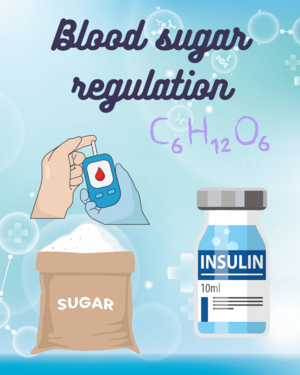
    Image titled blood sugar regulation. Contains image of chemical formula of glucose, an insulin vial, a bag of sugar and a pair of hands using a glucometer.

    The body needs energy to function. This energy must be obtained from food, processed and metabolised so it is ready for the cells to use. Glucose, a sugar molecule, makes up the most important energy source. The brain alone uses 20% of the glucose produced by the body.

    Like many other factors, blood glucose must be maintained at the correct levels for everything to function as it should. Blood glucose and blood sugar are the same thing, so we’ll use ‘glucose’ going forward. The two main hormones oppose each other to maintain the balance of blood glucose.

    Important Definitions

    Glucose: a small sugar molecule the body uses for energy to function.

    Glycogen: a long branched molecule, made up of glucose molecules. It acts as storage of energy for later use, mainly in the liver and skeletal muscles.

    Glycogenolysis: the breakdown of glycogen into glucose.

    Glycogenesis: the creation of glycogen from glucose. Don’t mix these two up!

    Gluconeogenesis: the process of making glucose from non-carbohydrate sources such as fats and proteins.

    Hypoglycaemia: low blood glucose.

    Hyperglycaemia: high blood glucose. Don’t mix these two up, check your prefixes!

    Insulin: The Anabolic Hormone

    The hormone insulin controls anabolism: the storage and utilisation of energy. Insulin secretion takes place in the beta-cells of the islets of Langerhands, within the pancreas. It promotes glucose uptake from the blood into the body cells. It also promotes glycogenesis and fat generation, in other words, the storage of energy.

    High blood glucose levels stimulate insulin secretion by the pancreas, with the aim of reducing blood glucose to normal again. For this reason, insulin follows a cycle where it is released shortly after a meal to store away the energy from food.

    Most people have heard of diabetes mellitus, an endocrine disease involving insulin function. There are two main types of diabetes mellitus, which I am specifying because there is another kind of diabetes that is less well known, diabetes insipidus. So, let’s look at the details of diabetes mellitus.

    Type 1 Diabetes Mellitus

    An autoimmune condition, the immune system attacks the beta-cells in the pancreatic islets. Insulin production is halted or massively reduced, which is why T1 diabetics need to inject insulin regularly to manage their blood glucose. The result is excessively high blood glucose.

    Type 2 Diabetes Mellitus

    This form is much more complex and still not completely understood. Various risk factors contribute to reduction of beta-cells and insulin resistance. The cells don’t respond to insulin like they should and take up glucose from the blood. Increased glucagon secretion, unresponsive to blood glucose, could also be a factor.

    The end result is a persistent hyperglycaemia which results in the symptoms of diabetes. We’ll cover the details of this later.

    Glucagon: The Catabolic Hormone

    Glucagon opposes insulin, counteracting all of its effects. The alpha-cells of the pancreatic islets produce glucagon in response to low blood glucose. Glucagon raises blood glucose and fatty acids, stimulates glycogenolysis and gluconeogenesis. In other words, taking glucose out of storage and making more of it.

    Excessive glucagon levels contributes a lot to the development of hyperglycaemic ketoacidosis in undiagnosed or poorly managed type 1 diabetics. Ketoacidosis (DKA) becomes a diabetic coma if untreated and is life-threatening.

    The Effects of Hyperglycaemia

    An excessively high blood glucose impacts almost all of the body in some way. The main symptoms of diabetes mellitus include the triad of polyphagia, polydipsia and polyuria. Polyphagia means increased appetite or eating more than normal. Polydipsia means increased thirst or drinking more than normal. Polyuria means producing more urine than normal, referring to volume rather than frequency. That said, a higher volume of urine will typically increase the frequency of urination.

    Other symptoms include vision changes, fatigue, weight changes, poor wound healing, neuropathy (tingling in legs and feet), recurrent infections, coma and seizures.

    As mentioned before, ketoacidosis is a life-threatening complication of persistently high blood glucose levels. When the cells can’t use glucose, they produce ketone bodies to make energy from instead. These ketones make the blood more acidic and cause damage. Some people can smell the ketones, usually described as a ‘fruity’ smell or like nail polish. I personally can’t smell ketones very well.

    Other diseases cause hyperglycaemia including other endocrine disorders, sepsis and brain pathology. Certain medications also affect blood glucose, particularly certain steroids, beta-blockers, statins and antipsychotics.

    Stress impacts blood glucose, as the physiology of stress prepares the body for fight or flight, including making energy available. Stress induced hyperglycaemia matters a lot in cats, because they show extreme changes in blood glucose when stressed. For this reason, diagnosing diabetes mellitus in cats is not straightforward.

    Most cats are stressed simply visiting the vet, especially if a blood sample is taken, so one high glucose result in a cat means nothing. Further testing needs to be done to confirm a diagnosis of diabetes.

    The Effects of Hypoglycaemia

    Hypoglycaemia is more immediately life-threatening than hyperglycaemia. Symptoms of low blood sugar include headaches, confusion, light-headedness, heart palpitations, anxiety, nausea and tremors. Severely low blood sugar causes seizures, loss of consciousness and even death.

    The brain relies on glucose for energy, with no other option available to the cells. Hence the neurological symptoms and risk of seizures and brain damage.

    Excessive insulin causes hypoglycaemia, whether it is an accidental overdose, not eating after taking insulin, being injected with insulin when not diabetic or an insulinoma. Insulinomas are tumours of the pancreatic islet cells and while benign, they produce insulin in an uncontrolled way.

    Adrenal disease like Addison’s disease (hypoadrenocorticism), sepsis (glucose stores are used up) and other serious illnesses can cause low blood sugar too. Alcohol consumption, fasting and intense exercise, especially if diabetic will risk hypoglycaemia. Starvation, including eating disorders and neglect as well.

    Xylitol, the artificial sweetener, causes a rapid release of insulin in dogs. This results in hypoglycaemia and liver damage. Xylitol only affects dogs in this manner, but it is a common ingredient in gum, mints, peanut butter, medications, supplements, sunscreen, toiletries and cosmetics. Dog owners, beware because xylitol toxicity is an emergency and needs rapid treatment.

    Thanks for reading! April’s themes will be the physical impact of mental health problems on Mondays, and cats on Fridays for our Creature Features! Subscribe for updates when new posts are live. See you soon!

    Proudly powered by WordPress

  • RAAS and Thyroid Hormones

    RAAS and Thyroid Hormones

    The RAAS system and thyroid hormones play an essential role in managing metabolism, blood pressure and fluid balance. These hormones regulate electrolytes, water retention and metabolic rate.

    RAAS

    The renin-angiotensin-aldosterone system involves several organs and plays an essential role in maintaining blood pressure. A drop in blood flow to the kidneys activates the RAAS to increase blood pressure and maintain filtration in the kidneys.

    Soupvector, CC BY-SA 4.0 https://creativecommons.org/licenses/by-sa/4.0, via Wikimedia Commons

    The kidneys convert circulating prorenin into renin in response to reduced renal blood flow. Renin converts angiotensinogen, produced in the liver, into angiotensin I. The lungs contain ACE (angiotensin converting enzyme) which converts angiotensin I into angiotensin II.

    Angiotensin II degrades into angiotensin III which stimulates aldosterone secretion from the adrenal cortex. Angiotensin III increases the blood pressure while angiotensin II narrows the blood vessels (vasoconstriction.)

    Aldosterone is a mineralocorticoid hormone produced by the adrenal cortex. Aldosterone increases sodium and water retention, as well as potassium excretion. This keeps the electrolytes (salts) in balance and keeps water in the circulation to increase blood pressure.

    This system has several potential drug targets for treating hypertension (high blood pressure), heart disease, kidney failure and diabetes. Examples include ACE inhibitors, angiotensin II receptor blockers and renin inhibitors.

    Activation of RAAS

    Any loss in blood volume or drop in blood pressure triggers the RAAS, such as dehydration or significant haemorrhage. The system raises blood pressure and improves blood flow in the kidney’s glomeruli.

    It also triggers the release of anti-diuretic hormone (ADH), also known as vasopressin which controls water reabsorption and retention in the kidneys. ADH also acts on the brain to increase appetite for salt and thirst for water.

    Thyroid Hormones

    The thyroid gland is located in the neck, just below the larynx. It typically has two lobes, one on each side, with a pair of parathyroid glands on each side as well. The term ‘goitre’ means an enlargement of the thyroid gland which you can feel, or even see if it is large enough. A goitre does not always mean a tumour or cancer.

    The two main thyroid hormones are triiodothyronine (T3) and thyroxine (T4). They are created from tyrosine and iodine, the only function iodine has in the body. The thyroid hormones increase basal metabolic rate, absorption rate in the gut and fat breakdown. They also increase heart rate, oxygen consumption and play a role in growth and brain development.

    Regulation of Thyroid Hormone Release

    Like others we’ve discussed, the hypothalamus controls release of thyroid hormones. It secretes thryotropin releasing hormone (TRH) which stimulates the anterior pituitary to produce thyroid-stimulating hormone (TSH). TSH then acts on the thyroid gland to produce T3 and T4. The thyroid hormones have a negative feedback effect on the hypothalamus and pituitary gland to stop further hormone release.

    Thyroid Disorders

    Thyroid disorders are fairly common in humans. Hyperthyroidism (excess thyroid hormones) is extremely common in elderly cats. Hypothyroidism (underactive thyroid) is common in dogs.

    Hyperthyroidism means excess production of T3 and T4. Grave’s disease and thyroid adenoma are common causes. In cats, a benign thyroid adenoma produces excess thyroid hormones, ignoring the normal regulatory system the body has.

    Symptoms of hyperthyroidism include unexplained weight loss, hair loss, an increased appetite, fast heart rate and stress or restlessness. It can be treated with drugs that suppress thyroid function, radioactive iodine (I-131) therapy or surgery to remove part/all of the thyroid (partial or total thyroidectomy.)

    Hypothyroidism is an underactive thyroid. Remember the terminology series: hyper- means too high, hypo- means too low. An underactive thyroid is common in dogs and in humans. Iodine deficiency is a common cause, as is an autoimmune disease such as Hashimoto’s thyroiditis.

    Symptoms of hypothyroidism include weight gain that is difficult to lose, fatigue, constipation, hair loss, a slow heart rate and myxoedema. Myxoedema is abnormal swelling in limbs or the face, and is a type of non-pitting oedema. Pitting oedema means if you press it with a finger, the dent remains. Non-pitting oedema obviously means it doesn’t.

    Treatment for hypothyroid conditions includes immune modulating treatments, iodine supplements and replacement thyroid hormone like levothyroxine.

    Axolotls

    Axolotls are odd little creatures. They exist in a state of arrested development, never moving beyond the juvenile phase of the life cycle. This happens because they lack iodine and cannot produce thyroxine. They can reproduce but they retain their gills and remain fully aquatic.

    They are also capable of regenerating lost limbs. If they are treated with thyroid hormone or exposed to idone, they metamorphose into salamanders. However, they don’t survive well if this happens.

    Conclusion

    These complex systems are often misunderstood but they are important to maintain the body’s physiology as it should be. Next week we’ll cover the remaining systems, insulin and parathyroid hormones.

    Proudly powered by WordPress

  • The Stress Hormone: Cortisol

    The Stress Hormone: Cortisol

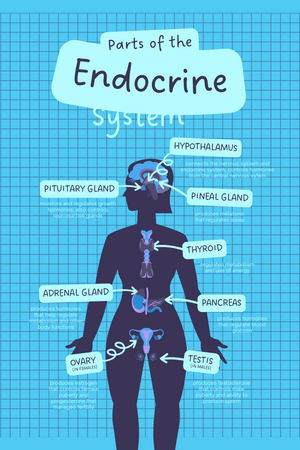
    The ‘stress hormone’ cortisol is extremely important for managing and regulating the body’s response to stress. Cortisol regulates metabolism, the response to stress and the immune system. The adrenal glands release cortisol, regulated by the hypothalamus and the pituitary gland in the brain.

    Adrenal Glands

    The paired adrenal glands live just above each kidney and are directly connected to part of the autonomic nervous system. The adrenal medulla produces adrenaline (epinephrine) and noradrenaline (norepinephrine), both of which play a role in the ‘fight or flight’ response. Read more about that system here.

    The adrenal cortex produces glucocorticoids, of which cortisol is the most important. The hypothalamus regulates cortisol secretion via the HPA axis, the hypothalamus—pituitary—adrenal cortex axis. A negative feedback loop maintains cortisol at an appropriate level.

    The hypothalamus releases CRH – corticotropin releasing hormone. This stimulates the anterior pituitary to secrete ACTH – adrenocorticotropic hormone. ACTH reaches the adrenal glands and causes cortisol secretion. Cortisol levels feed back into the hypothalamus and pituitary gland to reduce secretion of CRH and ACTH, keeping cortisol levels where they need to be.

    Role of the HPA Axis

    This system maintains homeostasis in the body by regulating metabolism, the cardiovascular system, immune system, reproductive system and the central nervous system. That’s a lot of jobs! Serious illness results from this system going wrong.

    Cortisol

    A glucocorticoid or ‘steroid’ hormone, cortisol is the stress hormone. It follows a diurnal cycle, increasing after waking, slowly dropping until late afternoon. It then resurges before dropping to its lowest point in the middle of the night.

    Pharmaceutical versions include hydrocortisone, prednisolone and several other ‘corticosteroids’. Applications include treating inflammation, managing autoimmune disorders, chemotherapy and treating allergies.

    The Effects of Cortisol

    Glucose Metabolism

    Cortisol stimulates glucose synthesis and the breakdown of glycogen in the muscles. It also increases the breakdown of fats and blocks insulin. It causes insulin resistance in an effort to increase blood glucose levels, i.e. blood sugar.

    Immune System

    Cortisol reduces the immune response, the inflammation cascade and reduces T-cell growth. That means it is immunosuppressive. This is why pharmaceutical steroids are used to treat immune-mediated and autoimmune diseases like rheumatoid arthritis, psoriasis, eczema and allergies.

    Cortisol delays wound healing, because it suppresses inflammation. The inflammation process plays a role in healing of wounds, whether injuries or surgical. Steroid treatment is withdrawn prior to surgery whenever possible, for this reason.

    Electrolytes and Water Homeostasis

    Cortisol increases GFR (glomerular filtration rate), in other words, function of the kidneys. It causes excretion of phosphate and potassium, along with water and sodium retention. Too much cortisol or not enough cortisol will cause electrolyte disturbances.

    Cortisol also stimulates secretion of stomach acid, which explains why chronic stress causes problems like heartburn and stomach ulcers. People who are stressed for a long time have high ciruclating cortisol levels.

    Memory

    Cortisol combined with adrenaline stimulates memories of short-term emotional evens in order to ensure we avoid the same thing in future. This effect is part of how trauma affects the mind and body in the long term. It is absolutely a factor in the development of PTSD.

    Long term exposure to excess cortisol damages the hippocampus, the part of the brain essential for storing long term memories and learning. This means excess cortisol impairs the ability to learn.

    Pregnancy

    During pregnancy, cortisol plays two essential roles. At 30-32 weeks gestation, cortisol stimulates production of pulmonary surfactant. Surfactant allows the lungs to expand when the first breaths are taken after birth. Without it, the newborn cannot breathe. One of the byproducts of beef production is extracting this surfactant from the cow’s lungs. Cattle lung surfactant massively improved survival rates of premature babies.

    The second role is to stimulate parturition, to initiate labour. Foetal cortisol triggers conversion of progesterone to oestrogen which in turn stimulates prostaglandin secretion and oxytocin receptor development. Oxytocin is the hormone that stimulates contractions of the uterus. Because it reduces progesterone, treatment with steroids can induce miscarriage in early pregnancies.

    Stress

    So why does this matter? The adrenal glands function to help the body cope with stressors. Adrenaline and sympathetic nervous system is there for acute dangers and cortisol is there for longer term stresses. If you are writing about someone who has been living a stressful life, they will have high levels of cortisol which impacts their physiology.

    Cortisol increases insulin resistance and thus contributes to potential risk factors for type 2 diabetes mellitus. Research into this is ongoing and while stress or high cortisol alone isn’t enough to cause diabetes, it could be part of the complex of risk factors.

    Cortisol affects the immune system and impacts immune-mediated disease. Interestingly, cortisol can both suppress the immune system and over-activate it. We know that stress impacts autoimmune diseases.

    The HPA axis is regulated by dopamine, serotonin and norepinephrine – neurotransmitters responsible for regulating mood and emotions. This connection shows how psychological stress impacts our physiology, and vice versa.

    Oxytocin down-regulates the HPA axis, reducing stress. Oxytocin is the ‘love hormone’, aside from its role in giving birth and milk let down in animals, it is released when we are close with people we love, including hugging and even during orgasm. So it proves that spending time with those we are close to can help reduce stress. This even applies to our pets!

    I talked previously about the term ‘psychosomatic’ discussed in the medical terminology series. Psychosomatic means that psychiatric changes, such as mental health disorders, have an impact on our physical bodies. It does not mean that your problems are ‘all in your head’ and not real. They are real, and mental distress has an impact on our physiology too.

    Proudly powered by WordPress